SEO vs PPC: 장기 ROI는 어느 쪽이 더 나은가?

쿼리당 실질적인 정보 이득을 제공하는 페이지 한 장을 설계하고, 모든 페이지에 유효한 스키마를 적용하며, 핵심 웹 바이탈iGoogle의 페이지 경험 지표: LCP(로딩), INP(상호작용), CLS(레이아웃 안정성).용어 사전에서 자세히 알아보기 →을 공식 임계값 아래로 유지하고 콘텐츠를 긴밀한 주제 지도로 클러스터링하세요. SEO처럼 보이지만 새로운 것을 추가하지 않는 페이지는 2024~2026년 유용한 콘텐츠 업데이트에서 정확히 강등되는 대상입니다. Unled는 각 페이지를 AI 개요 인용, 사이트링크 자격, 18개 로케일 동등성을 위해 설계합니다.
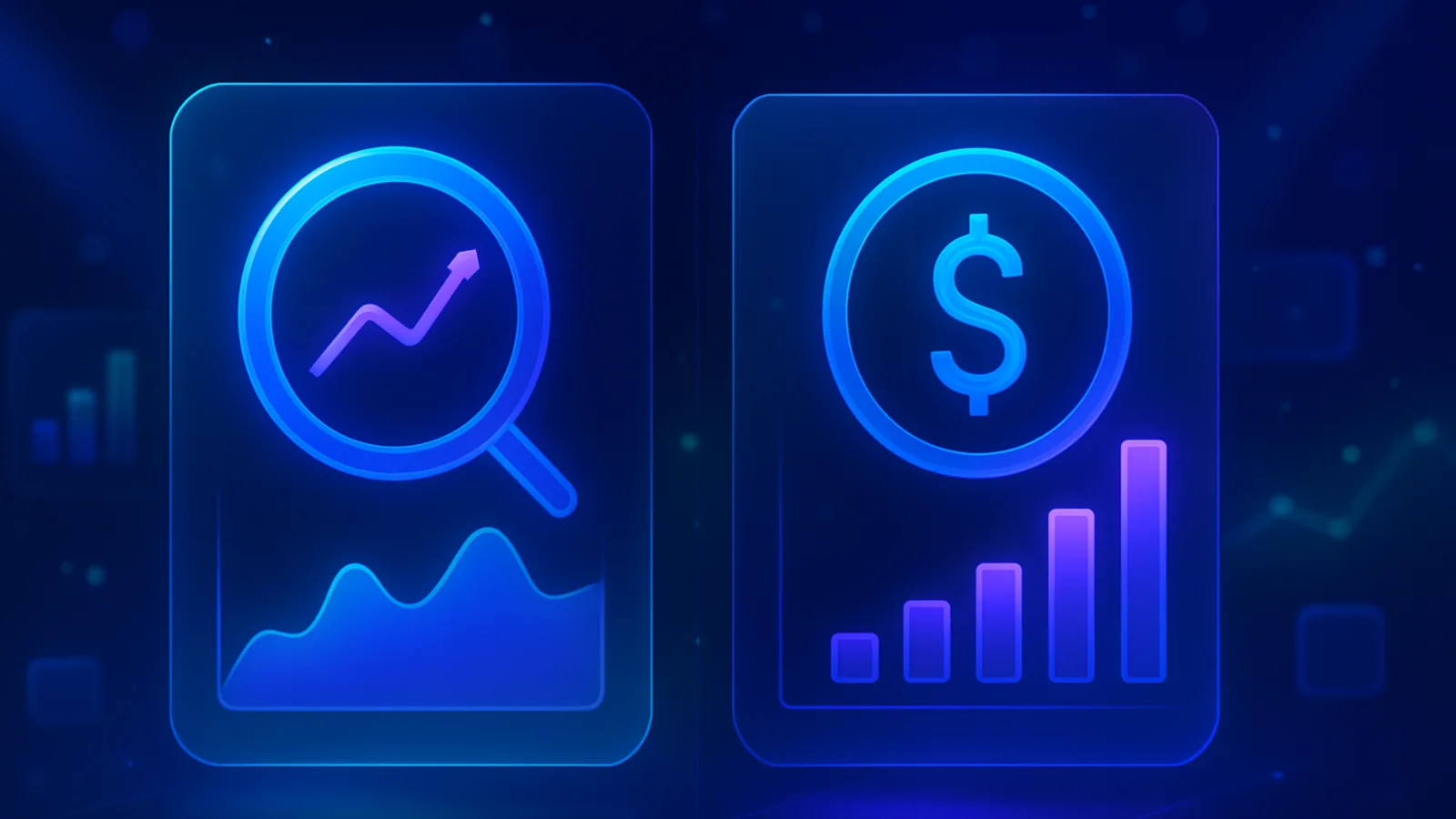
핵심 차이점
SEO(검색 엔진 최적화)는 콘텐츠 제작, 기술적 최적화, 링크 구축을 통해 유기적 트래픽을 얻습니다. 결과는 시간이 지남에 따라 누적됩니다. 투자를 중단해도 트래픽은 계속 유입됩니다.
PPC(클릭당 지불)는 Google, Bing 및 기타 플랫폼에서 유료 광고를 통해 트래픽을 구매합니다. 결과는 즉각적입니다. 예산이 소진되는 순간 트래픽이 중단됩니다.
시간에 따른 비용 비교
| 기간 | SEO 투자 | SEO 트래픽 | PPC 투자 | PPC 트래픽 |
|---|---|---|---|---|
| 1~3개월 | 월 500만원 | 낮음 (구축 중) | 월 500만원 | 즉시 |
| 4~6개월 | 월 500만원 | 증가 중 | 월 500만원 | 안정적 |
| 7~12개월 | 월 500만원 | 상당함 | 월 500만원 | 안정적 |
| 2년차 | 월 300만원 (유지보수) | 누적 중 | 월 500만원 | 안정적 |
| 1년차 총계 | 6,000만원 | 5만~20만 방문 | 6,000만원 | 3만~6만 방문 |
| 2년차 총계 | 3,600만원 | 20만~50만+ 방문 | 6,000만원 | 3만~6만 방문 |
우리는 20개 이상의 심층 페이지로 구성된 주제 클러스터가 페이지 수가 10배인 얇은 사이트를 90일 이내에 항상 순위에서 앞지르는 것을 목격합니다. 2023년 이후 측정한 모든 Google 업데이트에서 깊이가 폭을 이겼습니다.
SEO를 선택해야 할 때
- 장기 브랜드 구축: 지속 가능한 트래픽 성장이 필요한 비즈니스를 구축하는 경우
- 콘텐츠 중심 산업: B2Bi기업 간 거래. 개인 소비자가 아닌 기업과 의사 결정권자를 대상으로 하는 마케팅.용어 사전에서 자세히 알아보기 →, SaaS, 교육, 건강, 금융 등 정보성 콘텐츠가 구매 결정을 이끄는 분야
- 업계 CPC가 높은 경우: Google Ads 클릭당 비용이 2~5만원 이상이라면 유기적 트래픽이 훨씬 더 비용 효율적입니다
- 신뢰 기반 제품: 사용자의 70~80%는 유료 광고를 건너뛰고 유기적 결과를 클릭합니다. 높은 신뢰가 필요한 구매의 경우 유기적 신뢰도가 중요합니다
- 경쟁적 해자: 강력한 유기적 순위는 경쟁자가 쉽게 빼앗기 어렵습니다. 입찰 가격에 따라 변하는 광고 위치와는 다릅니다
PPC를 선택해야 할 때
- 즉각적인 결과가 필요한 경우: 신제품 출시, 시즌 프로모션, 시간에 민감한 캠페인
- 테스트 및 검증: SEO 콘텐츠를 타겟팅하기 전에 어떤 키워드가 전환되는지 테스트
- 경쟁이 매우 치열한 키워드: 유기적 순위를 얻는 데 12개월 이상 걸리는 경우 PPC가 즉각적인 가시성을 제공합니다
- 정밀 타겟팅: 유기적 검색으로는 불가능한 지역, 인구통계, 행동 기반 타겟팅
- 리마케팅: 전환하지 않은 방문자를 다시 참여시키는 방법으로, 유기적 검색으로는 불가능합니다
결합 전략 (최고의 접근법)
가장 성공적인 검색 마케팅 전략은 SEO와 PPC를 함께 사용합니다:
- 1단계 (1~3개월): 즉각적인 리드를 위한 대규모 PPC 투자 + SEO 기반 구축 시작 (기술적 수정, 콘텐츠 전략, 초기 콘텐츠)
- 2단계 (4~9개월): PPC 유지 + 콘텐츠 제작 확대. PPC 키워드 데이터를 SEO 타겟팅에 활용. 유기적 트래픽 성장 시작 확인
- 3단계 (10~18개월): 유기적 순위가 강력한 키워드의 PPC 지출을 점진적으로 줄임. PPC 절감액을 새로운 키워드 카테고리나 상위 퍼널 콘텐츠에 재투자
- 4단계 (18개월+): SEO가 트래픽의 대부분을 유도. PPC는 리마케팅i리타겟팅과 동일, 과거 방문자나 고객을 Google, Meta 또는 기타 네트워크에서 후속 광고로 다시 참여시키는 것.용어 사전에서 자세히 알아보기 →, 신제품, 유기적 순위가 아직 강력하지 않은 키워드에 집중
비교 핵심 지표
| 지표 | SEO | PPC |
|---|---|---|
| 리드당 비용 (1년차) | 5만~20만원 | 3만~15만원 |
| 리드당 비용 (2년차+) | 1만~5만원 | 3만~15만원 (종종 증가) |
| 첫 결과까지 시간 | 3~6개월 | 당일 |
| 클릭률 | 25~35% (1위) | 2~5% (평균) |
| 신뢰도 및 신뢰성 | 높음 (획득한 배치) | 낮음 ("광고"로 표시) |
| 중단 후 트래픽 | 계속됨 (서서히 감소) | 즉시 중단 |
| 확장성 | 시간이 지남에 따라 누적 | 선형적 (더 많은 지출 = 더 많은 트래픽) |
수치로 보기
비교 방법
용어 사전
- EEAT
- 경험, 전문성, 권위, 신뢰성. Google 품질 프레임워크로, 특별 배치를 받을 사이트를 결정합니다.
- 정보 이득
- 페이지가 기존 상위 결과에 없는 내용을 추가하는지 측정하는 점수. 2026년 가장 중요한 순위 요소입니다.
- 주제 권위
- 도메인이 하나의 좁은 주제 클러스터 내에서 많은 고품질 페이지를 게시함으로써 얻는 누적 신뢰도입니다.
- SERP
- 검색 엔진 결과 페이지. 특정 쿼리에 대해 10개의 링크, AI 개요, 사이트링크, 동영상을 혼합하여 표시하는 레이아웃입니다.
- 크롤링 예산
- Googlebot이 한 세션에서 도메인으로부터 가져오려는 URL 수. 얇거나 중복된 URL에서 먼저 낭비됩니다.
- 색인 생성율
- 제출된 URL 중 실제로 Google 색인에 등록되는 비율. 60% 미만은 품질 문제를 나타냅니다.
- 스키마 적용 범위
- 유효한 구조화된 데이터를 제공하는 페이지의 비율. 풍부한 결과, AI 개요 인용, 사이트링크 자격을 유도합니다.
- 핵심 웹 바이탈
- LCP, INP, CLS. 현장에서 측정된 로딩, 상호작용, 안정성 지표로 모바일 순위에 가중치가 적용됩니다.
- 내부 링크 자산
- 동일 도메인의 페이지 간 컨텍스트 앵커를 통해 흐르는 권위. 종종 가장 저렴한 순위 향상 요소입니다.
- 유용한 콘텐츠 시스템
- 검색 엔진을 먼저, 사용자를 나중에 생각하며 작성된 콘텐츠가 있는 사이트를 강등시키는 Google 분류기입니다.
자주 묻는 질문
What You Get
High Trust Score
Pre-established account with positive activity history and cleared standing
Ready to Spend
Skip the warm-up phase - accounts are ready for immediate campaign launch
High Spend Ceiling
Elevated daily and monthly spend limits from day one
30-Day Replacement
Full replacement if account triggers suspension within 30 days
24h Delivery
Credentials delivered within 24 hours of payment confirmation
Dedicated Support
Direct Telegram/WhatsApp line to your account manager
댓글
질문이나 경험이 있으신가요? 대화에 참여해 주세요. 이메일은 공개되지 않습니다.
Really helpful breakdown. Been looking for clear info on this topic.
Good point. The combination of proper structure and testing makes all the difference for this strategy.